
Mandarin
At Dulwich College Shanghai, Mandarin is a core part of every student's education, not an add-on to an English-medium curriculum. Mandarin is more than the language through which the Chinese-speaking world communicates; it is also, fundamentally, a way of thinking. Our aim is not simply fluency, but for students to understand and navigate a world in which people think in fundamentally different ways, and to build genuine bridges between them.
We offer multiple learning pathways to students of all ages and abilities, from native speakers to absolute beginners learning Mandarin as a third or fourth language, supported by innovative teaching approaches and immersive, technology-enhanced learning environments that develop listening, speaking, reading and writing in parallel.
Three Mandarin Learning Pathways
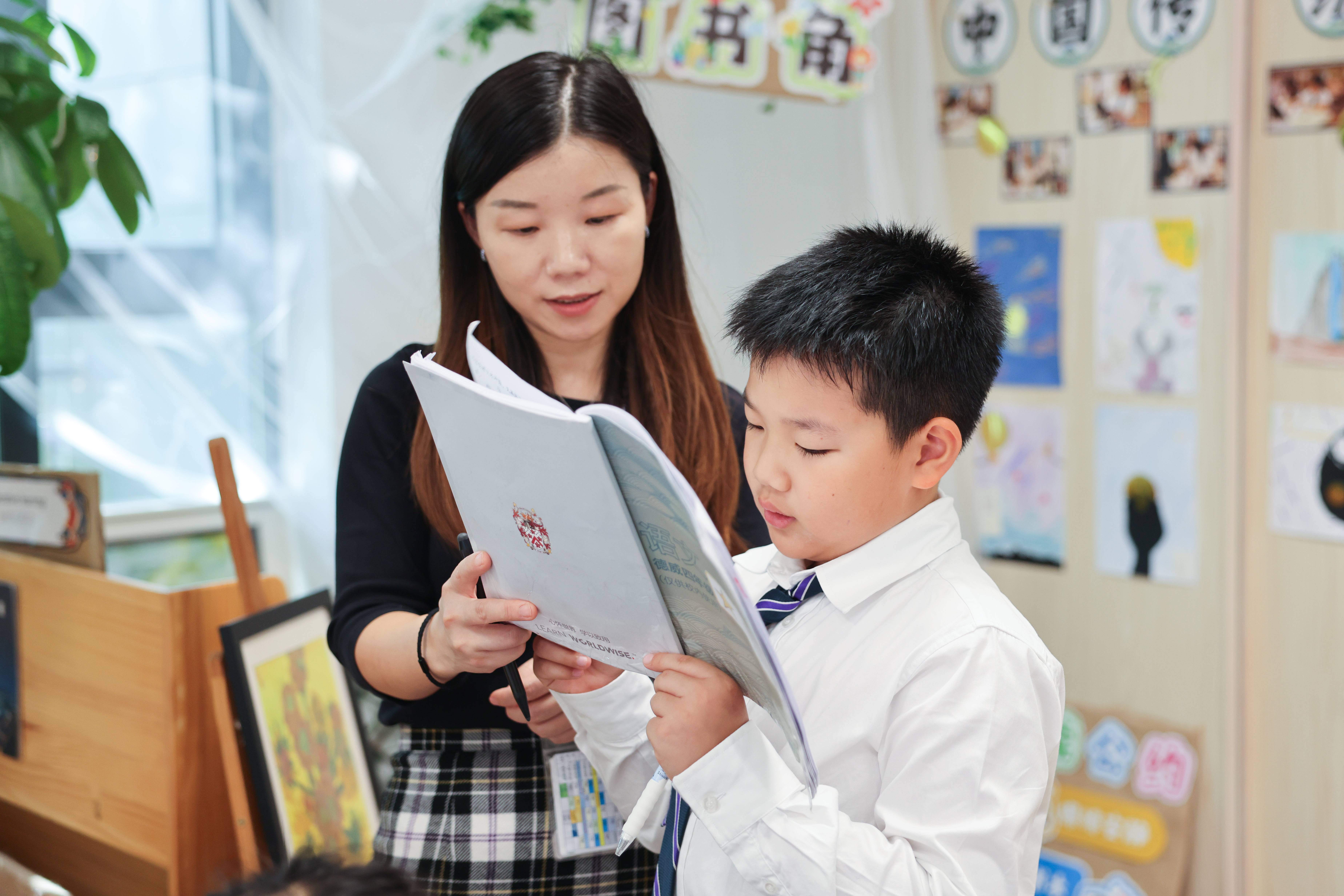
Chinese as a Native Language (CNL)
For students who have acquired Mandarin as their first language. Mandarin is the primary language of instruction, with a focus on analysing a wide range of literary texts and refining practical and creative writing. Students on this pathway typically go on to IGCSE Chinese as a First Language and IB Chinese A: Language and Literature.
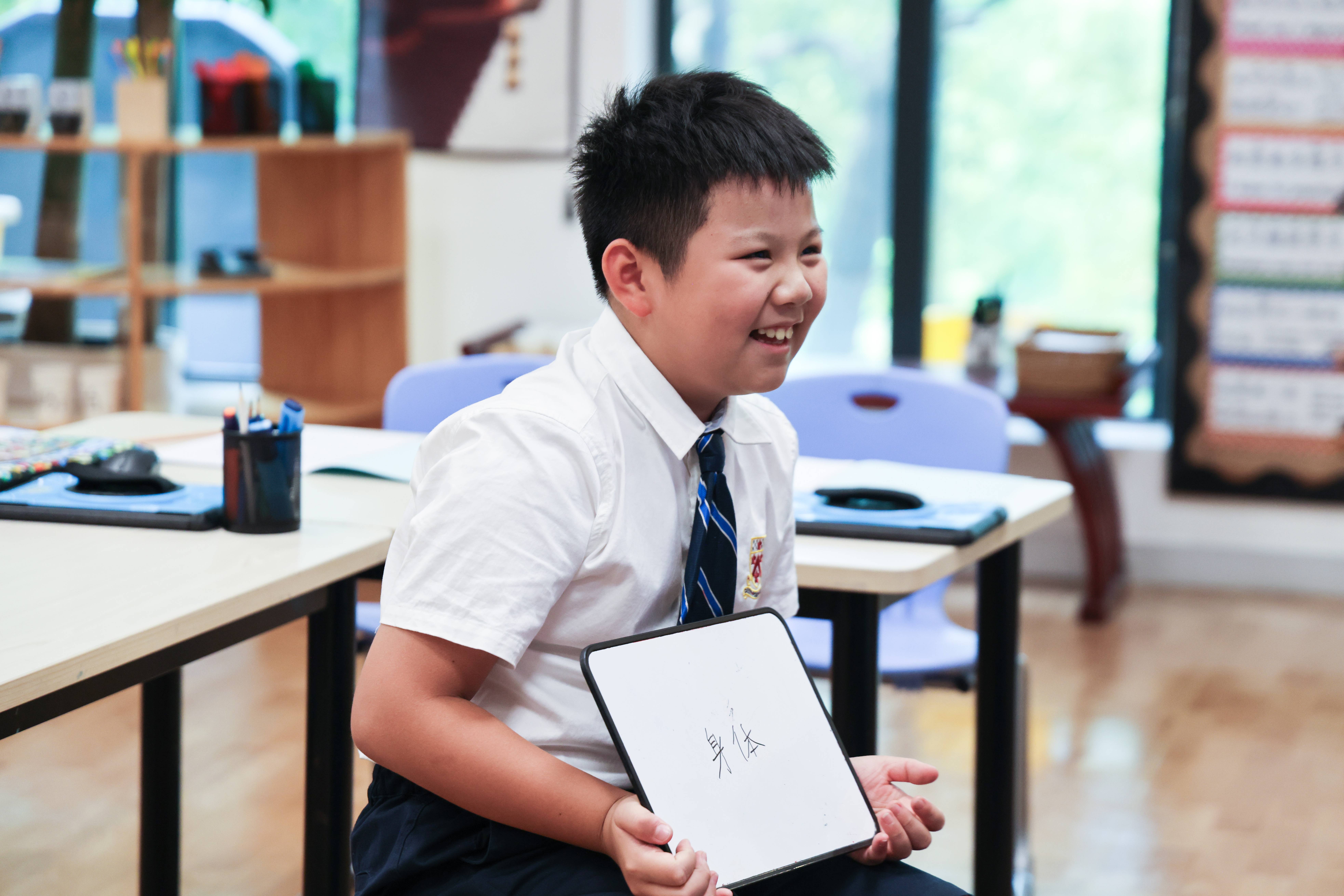
Mandarin as a Second Language (MSL)
For heritage students and those who have lived and studied in China for an extended period, generally confident in spoken communication but still developing literacy. The focus is on building reading and writing skills and engaging critically with increasingly complex texts, progressing to IGCSE Chinese as a Second Language and IB Chinese B.
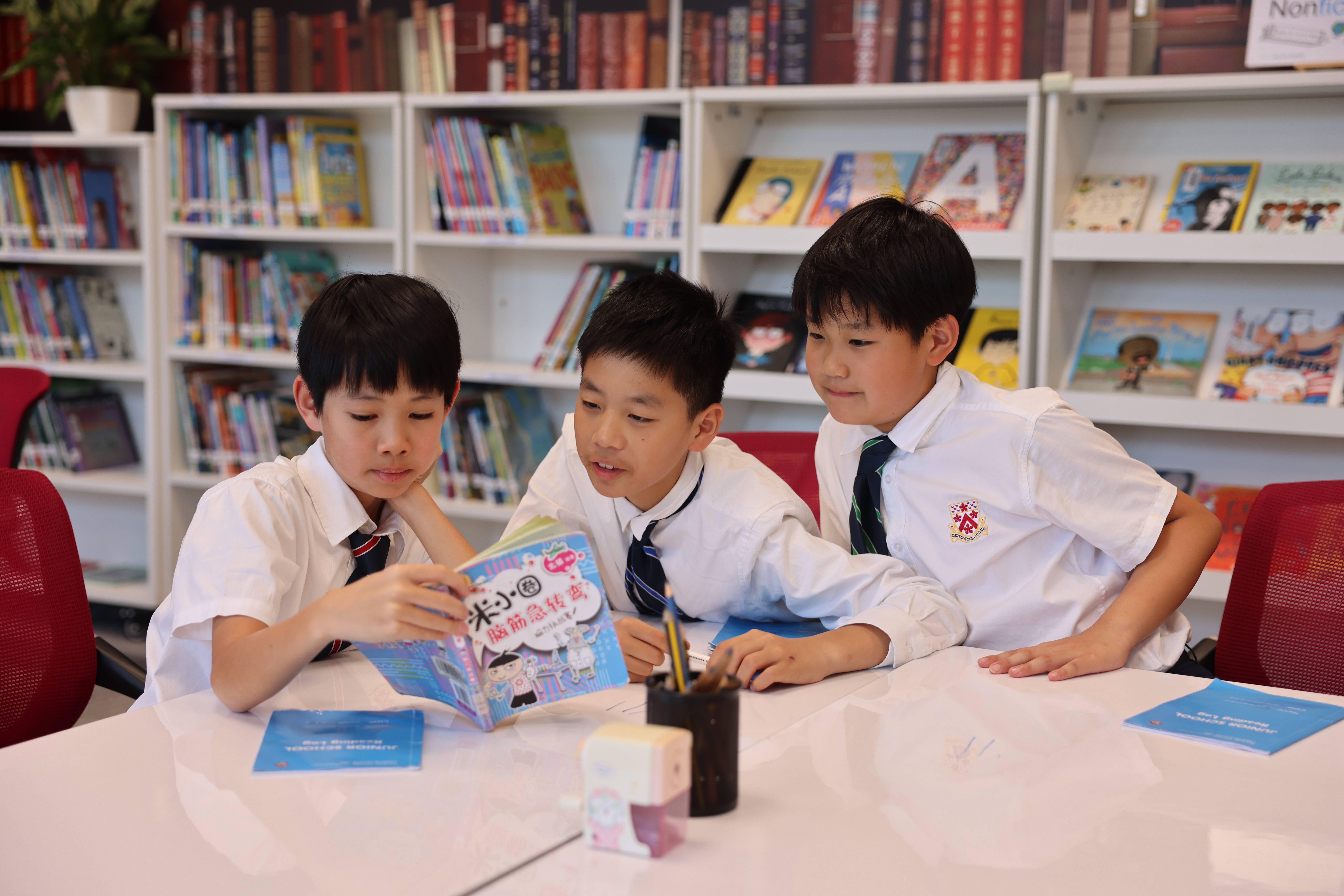
Mandarin as a Foreign Language (MFL)
For non-native, non-heritage students, beginning with listening, speaking and reading. From Year 1, MFL students use our own Wohui ("I Can") Mandarin programme, which introduces characters by simplicity and frequency of use, allowing students to build a useful bank of characters quickly, with spoken and written language developed independently to maximise progress. Students on this pathway typically take IGCSE Chinese as a Foreign Language, followed by IB Chinese B.
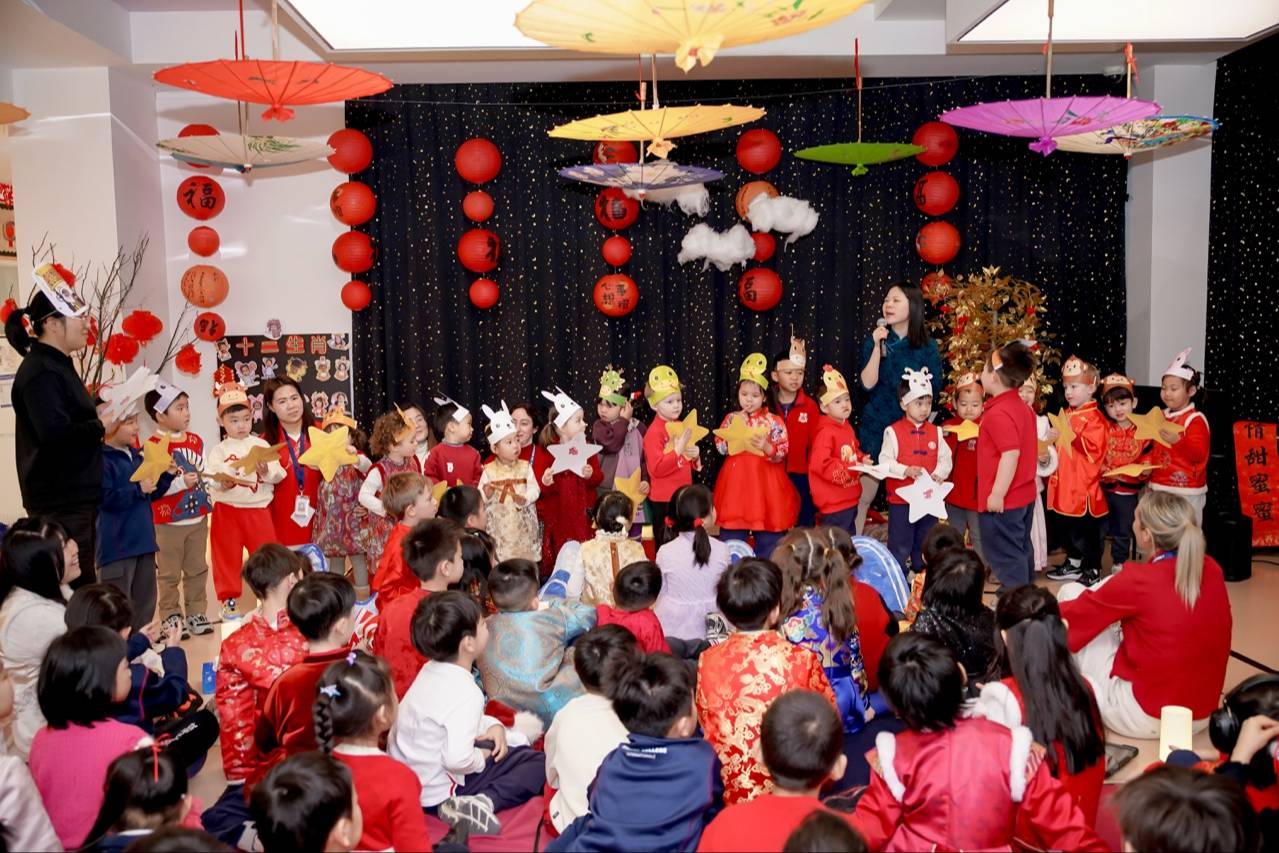
Dual Language Learning in DUCKS
In DUCKS, Mandarin learning begins through dual language immersion, integrated naturally throughout the school day rather than confined to formal lessons. With one teacher focusing on English and another on Mandarin, young children are immersed in an environment rich in both languages, building the confidence to use language meaningfully from the very start, and laying strong foundations for the formal pathways that follow from Year 1.